
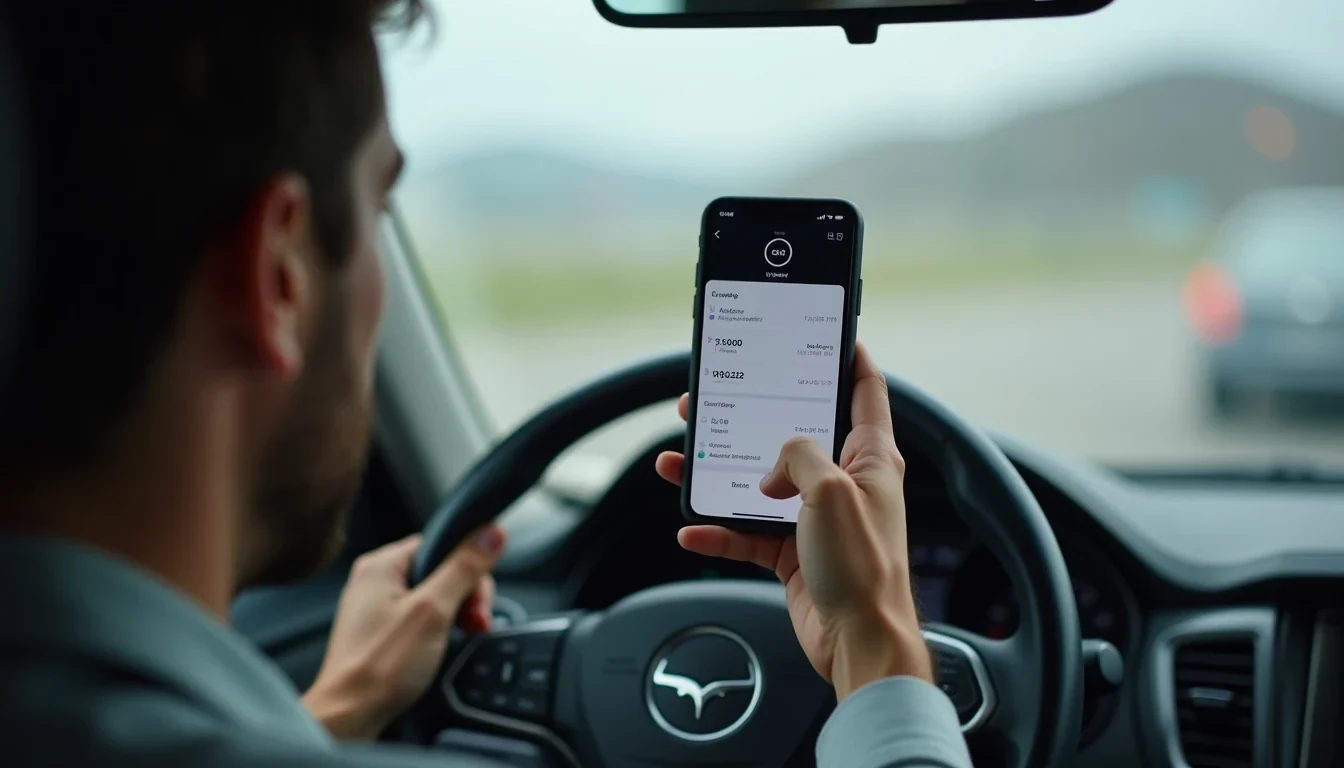
Cape Town International Airport has become a place where a smile and a car window can cost far more than the flight. A ride that should land in the “few hundred rand” range has reportedly been turned into a R4,200 bill by people pretending to be legitimate Uber or Bolt drivers. This is not a small markup; it is theft with a tyre on it.
The fix is boring, but boring keeps your money in your pocket. Book in the app, match the driver and car to the app, and use the airport’s proper pickup zone before you get into anything. Skip those three steps and you are trusting a stranger with your fare, your luggage, and your safety.
The scam starts before you even leave the terminal
The trick works because arrivals are messy. You are tired, you are hunting for a bag, your phone is in one hand, and someone nearby is acting like they already know your name.
This is the opening. Fake drivers do not need a complex scheme; they just need to look ready. Some hover inside the terminal, some wait outside it, and some approach passengers who are visibly unsure where to go. They say they are “your Uber” or “your Bolt” and hope you will accept the shortcut.
The lie gets easier when the passenger thinks the app is already sorted. A traveller sees a car, hears the right brand name, and assumes the driver was assigned through the platform. Then the driver starts talking about cash, a card machine, or a price that sounds normal only if you have never used the route before.
This is where the bill jumps. Instead of the app fare, the passenger gets hit with an off-platform demand that can run into thousands of rand. In the recent Cape Town cases reported by MyBroadband, that number reached R4,200.
The app is your first filter
If the trip did not start in the official Uber or Bolt app, treat the car as a stranger’s car.
This means no hand-picked “ride” from a person near the curb, no casual agreement with someone who says they can do it cheaper, and no trust based on a logo sticker alone. A fake driver can copy the look. They cannot copy the trip record inside your app.
Open the booking screen before you walk toward the vehicle. Check the driver’s name, the car make, the model, the colour, and the number plate. Then compare those details with the actual car in front of you.
The number plate matters most. A silver Toyota Corolla is not enough. A white Volkswagen Polo is not enough. Plates are specific. Cars can be similar. If one letter or number is off, walk away.
Do the same with the driver’s photo. Faces can be harder to judge quickly, but if the photo and the person in front of you do not line up at all, that is enough reason to stop.
Do not let a stranger “confirm” who you are
Fake drivers love the social trick of making you answer first.
They ask, “Are you the one going to Table View?” or “Are you my Uber to the hotel?” because once you volunteer information, they can pretend they knew it already. That small bit of theatre makes the whole thing feel official.
Flip the script. Ask them for their name first. Ask them what car they are driving. Then check every detail against the app before you get in.
If the person is genuinely assigned to your trip, they will have no problem with the check. If they get irritated, rush you, or act as if verification is rude, that is exactly the wrong reaction. A real driver can wait thirty seconds. A fake one wants you flustered.
Use the airport pickup zone
Cape Town International Airport has a designated e-hailing pickup area, which is where the process should happen. For services like Uber and Bolt, the main point is typically on the ground floor of the P2 parking area.
That spot exists for a reason. It gives passengers and legitimate drivers a proper meeting place, keeps the process under some level of oversight, and keeps you out of the vague grey zone around the terminal where opportunists hang around looking for people to catch off guard.
Going straight to the pickup zone also cuts out the middleman behaviour. If someone inside or just outside the terminal tries to pull you into a vehicle before you have reached the app-designated area, stop listening. The app has its own route. Follow that, not the person trying to shortcut it.
If you are arriving late, tired, or with children in tow, this matters even more. Convenience is exactly what the scam feeds on.
The red flags are simple if you know what to look for
A fake e-hailing driver usually gives themselves away in the first minute.
| Red flag | What it usually means |
|---|---|
| They approach you before you have matched details in the app | They are fishing for passengers, not waiting on a real booking |
| They push cash or an outside card machine | They want to bypass the app fare and set their own price |
| They give a vague car description | They are hoping similarity will pass for proof |
| They rush you into the car | They are counting on speed to beat your judgement |
| The plate does not match exactly | It is not your ride |
The payment method tells you plenty. Once someone insists on payment outside the app, the protection starts falling away. A portable card machine can look official enough to fool a tired traveller, but it is still just a machine in the hands of a stranger. If the fare is not living inside your app, the price can be whatever they feel like charging.
If it feels off, do not get in
Many people get trapped because they think walking away is awkward.
It is not awkward. It is cheap insurance.
If you have not yet entered the car and anything feels wrong, say no and move back toward a staffed, public area. Keep it calm. There is no need for a scene. You do not owe a fake driver an argument.
If you are already in the vehicle and the situation turns suspicious, ask to be dropped in a safe, visible place. Not on a dark side street. Not at some remote “shortcut”. Somewhere public, with people around.
Do not let the fear of looking paranoid override the more serious risk of being stranded, overcharged, or worse. The whole scam depends on passengers being too polite to object.
If you have been overcharged, act fast
The first job is to document everything while it is still fresh.
Take note of the number plate, the make and model of the car, the driver’s appearance, the time, and where the encounter happened. If you can do so safely, photograph the vehicle. Do not turn that into a confrontation. Get the details and get out.
Then report it through the app’s help or safety section. Uber and Bolt both have in-app routes for complaints, and that is where the trip record starts working for you. If the payment happened outside the app, get onto your bank or card provider immediately and dispute it.
This is especially important if you paid by card through a portable machine. If a fake driver got your card details into a system that was never meant for the trip, you are not just fighting one inflated fare. You are dealing with a possible fraud trail.
If you felt threatened, call airport security or the SAPS station at the airport. A scam that starts with an overcharge can end with something uglier if nobody reports the person behind it.
This hits locals and visitors alike
People often imagine this kind of thing only catches tourists. That is wishful thinking. It catches anyone who is tired, distracted, or in a hurry.
A Cape Town local coming off a late flight can be just as exposed as a visitor landing for the first time. The difference is not where you are from. It is whether you treat the app as the source of truth.
The app knows who is assigned to your trip. The airport has a designated pickup zone for a reason. The fake driver has neither of those things. He or she has urgency, a story, and a price tag they invented on the spot.
A few extra seconds checking the name, the plate, and the pickup point can save you thousands of rand. More than that, it keeps you from climbing into a car that was never yours in the first place.